
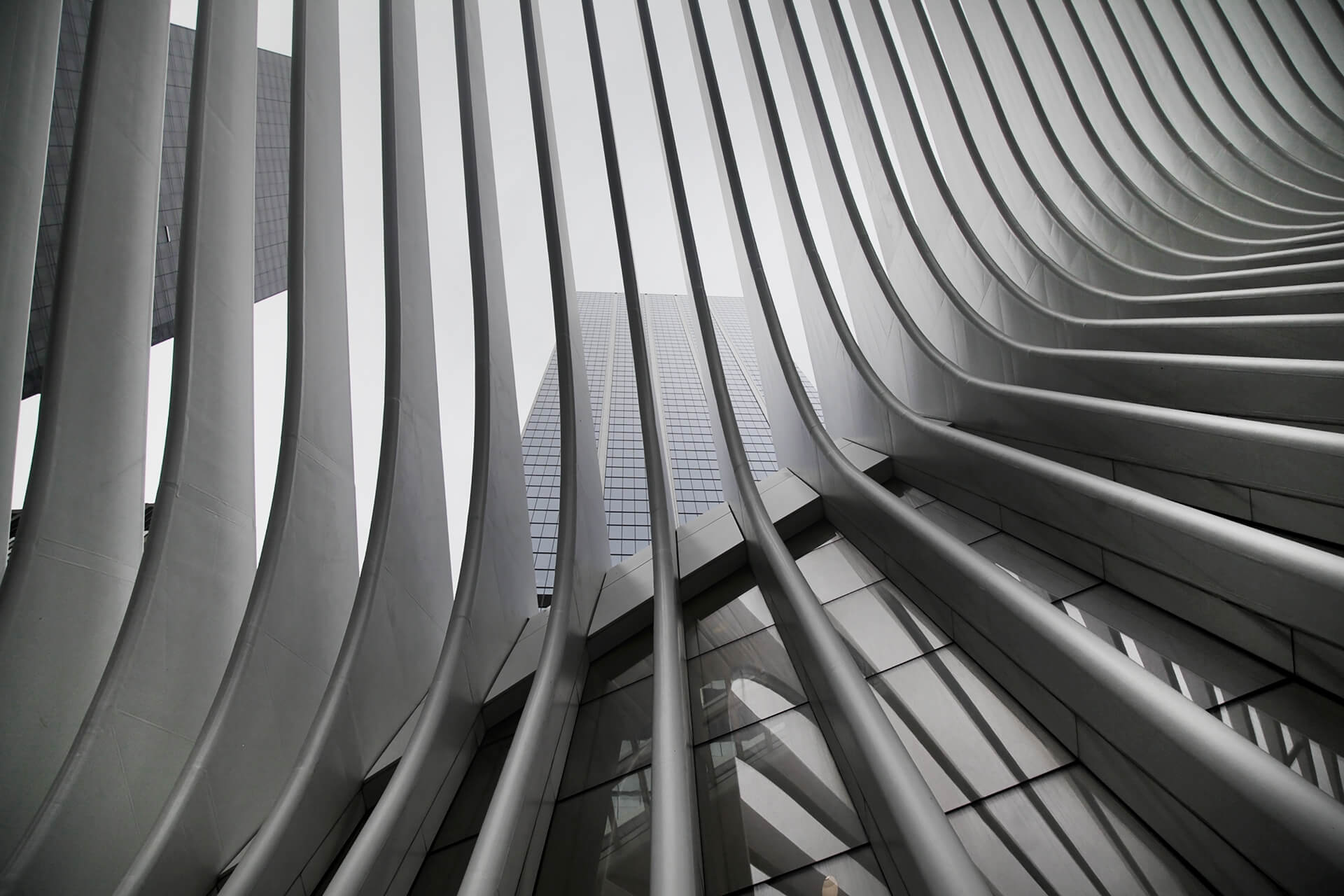
Harmonizing Form and Function: Architectural Insights
Explore the art of thoughtful design where architectural concepts meet home planning, creating spaces that perfectly harmonize form and function. Discover architectural insights to elevate your living experience.
Understanding the Essence of Thoughtful Design
Thoughtful architectural design goes beyond mere aesthetics; it delves into the core needs and desires of the occupants. It’s about creating spaces that not only look beautiful but also enhance the quality of life. This involves a deep understanding of how people interact with their environment and how design can facilitate their daily routines.
Key Architectural Concepts in Home Planning
Several key architectural concepts are fundamental to effective home planning. These include:
- Space Optimization: Maximizing usable space while minimizing unnecessary areas.
- Natural Light Integration: Harnessing natural light to create bright, inviting interiors.
- Sustainability: Incorporating eco-friendly materials and energy-efficient designs.
- Flow and Circulation: Designing smooth transitions between rooms to improve movement within the home.
The Harmony of Form and Function
The most successful architectural designs achieve a perfect balance between form and function. This means that the aesthetic appeal of the building complements its practical use. A well-designed home should not only be visually pleasing but also highly functional, providing comfort, convenience, and efficiency.
Practical Applications of Form and Function
Consider the following examples:
- Open-Concept Living: Combining living, dining, and kitchen areas to create a spacious and versatile environment.
- Custom Storage Solutions: Designing built-in storage to maximize space and minimize clutter.
- Ergonomic Kitchen Design: Optimizing the layout of the kitchen to improve workflow and reduce strain.
Architectural Insights for Home Improvement
Whether you’re renovating an existing home or building a new one, architectural insights can guide you toward creating a space that truly meets your needs. Some key considerations include:
- Consider Your Lifestyle: How do you and your family spend your time at home? Tailor the design to reflect your daily activities.
- Plan for the Future: Think about your long-term needs and how the home can adapt to accommodate changes over time.
- Work with Professionals: Consulting with architects and designers can help you bring your vision to life and avoid costly mistakes.
Sustainability in Architectural Design
Sustainability is increasingly important in modern architectural design. Eco-friendly materials, energy-efficient systems, and passive design strategies can significantly reduce the environmental impact of a home. Consider:
- Solar Panels: Generate clean energy and reduce reliance on fossil fuels.
- Rainwater Harvesting: Collect rainwater for irrigation and other non-potable uses.
- Insulation: Improve thermal performance and reduce energy consumption.
Conclusion: Elevating Your Living Experience
By embracing thoughtful architectural concepts and prioritizing the harmony of form and function, you can create a home that is not only beautiful but also highly functional and sustainable. Architectural insights can guide you towards designing spaces that enhance your living experience and reflect your unique lifestyle.
Share your favorite architectural design tips in the comments below!


